Trees are among the most valuable natural resources, contributing to environmental balance, healthier communities, and attractive outdoor spaces. They absorb carbon dioxide, release oxygen, provide shade, and create habitats for birds and other wildlife. Despite their ability to grow naturally, trees still require proper attention to remain healthy and resilient. Regular maintenance helps prevent common problems, supports strong development, and protects trees from unnecessary damage.
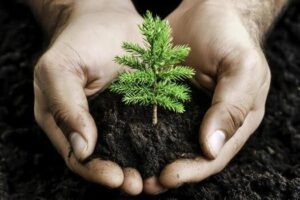
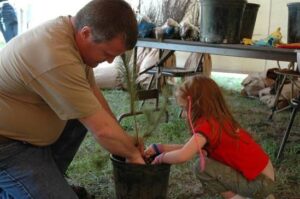
One important part of effective tree care is maintaining suitable growing conditions. Trees need enough sunlight, healthy soil, and sufficient space to develop their roots and branches. Choosing the right species for the local climate can make maintenance easier and encourage long-term growth. Before planting, property owners should consider drainage, soil quality, and the tree’s expected mature size. Proper placement can prevent future conflicts with buildings, walkways, and underground utilities.
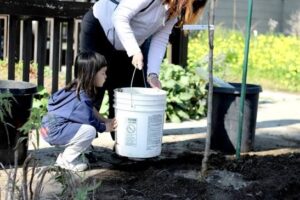
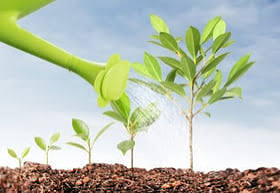
Water management is another essential element of tree health. Trees depend on moisture to transport nutrients and maintain healthy leaves and branches. Young trees generally need closer attention because their roots are still developing. Watering deeply and allowing the soil to absorb moisture gradually can encourage stronger root systems. During rainy periods, watering should be reduced when the soil already contains enough moisture. Avoiding waterlogged conditions is equally important because poor drainage can contribute to root damage.
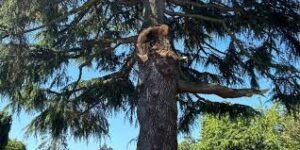
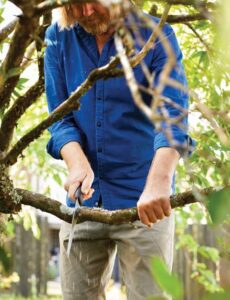
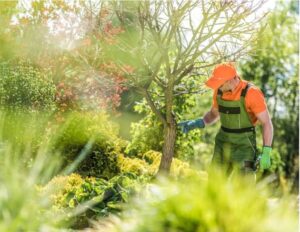
Pruning helps maintain the natural shape and structural strength of trees. Removing dead, diseased, or damaged branches reduces potential hazards and allows the remaining canopy to develop properly. Selective pruning can also improve air circulation and sunlight distribution. However, cutting healthy branches unnecessarily can place stress on a tree and interfere with its growth. Using suitable equipment and following proper pruning techniques helps ensure that maintenance supports rather than harms the tree.
Another valuable practice is protecting the soil surrounding the tree. Healthy soil contains organic matter, nutrients, moisture, and oxygen that support root development. Applying organic mulch can improve these conditions while reducing weed competition and helping regulate soil temperature. Mulch should be distributed evenly around the root zone without covering the trunk. Property owners should also avoid excessive digging and heavy activity near trees because these actions may damage important roots.
Monitoring trees for pests and diseases is necessary for preventing serious problems. Insects, fungal infections, and environmental stress can gradually weaken trees if left untreated. Common warning signs include unusual leaf discoloration, damaged bark, holes in foliage, and branches that begin to decline. Regular inspections make it easier to recognize these changes and seek appropriate advice. When a tree shows significant damage or an unexplained decline, a qualified arborist can help identify the cause and recommend suitable treatment.
Seasonal maintenance is also important because trees experience changing environmental conditions throughout the year. Hot temperatures, strong winds, heavy rainfall, and dry periods can influence their water requirements and structural condition. Checking trees after severe weather can help identify broken branches, damaged trunks, or changes in stability. Addressing these concerns promptly helps protect both the trees and nearby property.
In conclusion, effective tree care requires a combination of proper planting, balanced watering, responsible pruning, soil protection, and regular inspections. These practices encourage healthier growth while reducing the risks associated with neglected trees. By giving trees consistent attention and responding to their changing needs, property owners can maintain beautiful landscapes, support local ecosystems, and contribute to a greener environment for future generations.